
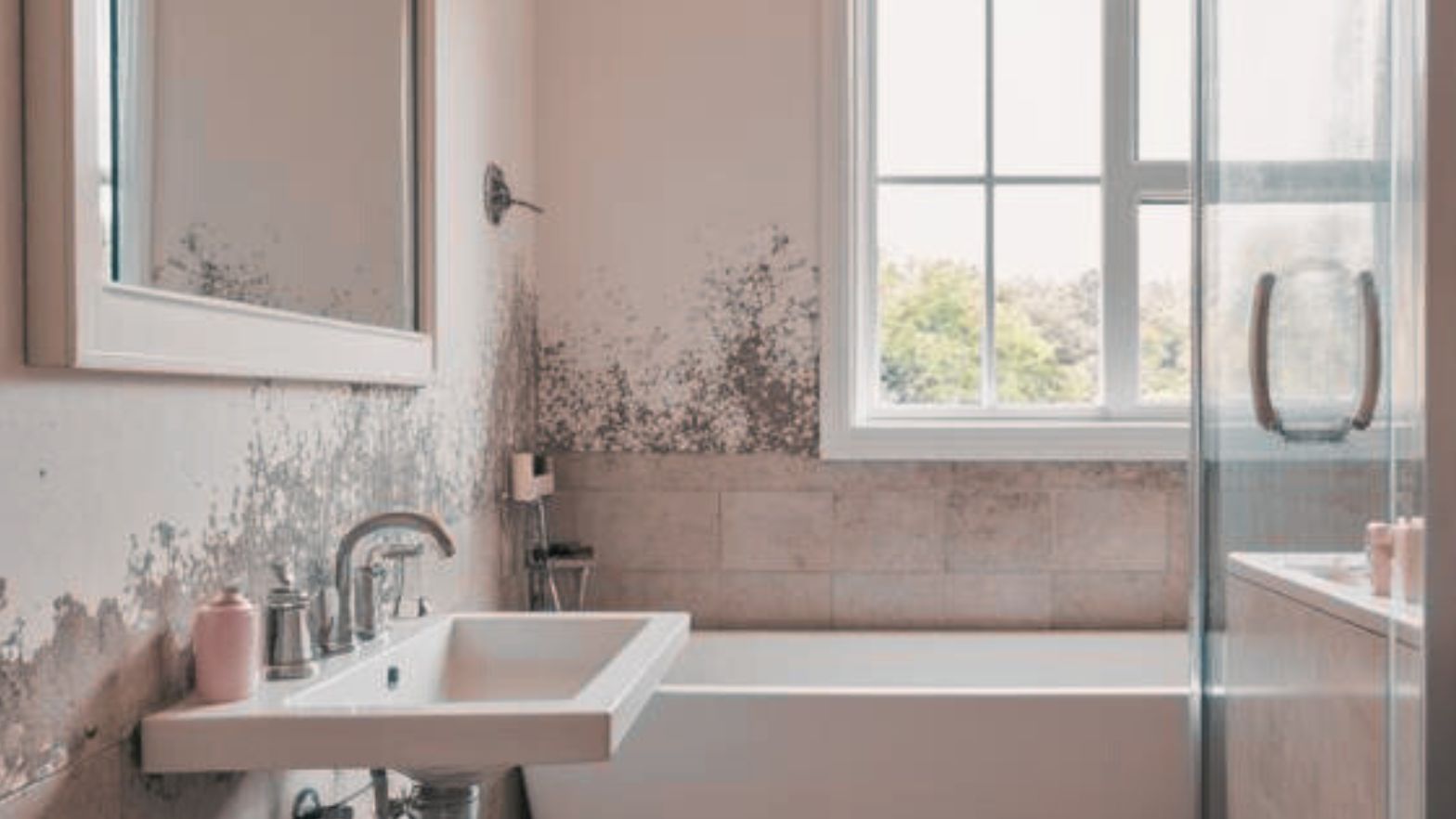
Mold rarely announces its arrival. It settles in quietly, feeds on moisture, and waits until it becomes impossible to ignore. Many homeowners first notice it through a faint odor, a stubborn stain, or a sudden allergy flare that feels out of place. Homes in the Northeast face unique challenges because of humidity, aging structures, and seasonal temperature changes. Knowing where mold tends to grow is the first step toward keeping your space clean, safe, and comfortable. Below are the most common areas in homes that attract mold and practical ways to address each one before it turns into a serious issue.
Basements That Hold on to Moisture
Basements are a major concern in older cities, especially in New York. Many homes were built decades ago, long before modern waterproofing methods became common. Water can seep through foundation walls, collect along floor edges, or rise through tiny cracks in concrete.
Basement mold in NYC is a frequent problem because underground spaces stay cool and damp for long periods. Poor air circulation adds to the issue. Mold often forms behind stored items, along baseboards, or near sump pumps.
To fix this, controlling moisture comes first. A properly sized dehumidifier helps keep humidity levels in check. Sealing foundation cracks and improving exterior drainage reduces water intrusion. Basement walls and floors should stay clear enough to allow airflow. When mold is already present, professional remediation ensures it is removed without spreading spores through the home.
Bathrooms That Stay Warm and Wet
Bathrooms create a perfect environment for mold growth. Daily showers produce steam that settles on walls, ceilings, and grout lines. Over time, moisture works its way into drywall and wood framing.
Mold often appears around tubs, behind toilets, under sinks, and on ceilings above showers. Even clean-looking bathrooms can hide mold inside walls if ventilation is poor.
An effective exhaust fan makes a big difference. Running it during and after showers helps pull moisture out of the room. Repairing leaks right away prevents water from soaking into surrounding materials. Replacing old caulk and grout keeps moisture from settling where mold can grow.
Kitchens With Hidden Leaks
Kitchens may not seem like a common mold hotspot, but they see frequent water use. Leaks under sinks, behind dishwashers, and around refrigerators with ice makers often go unnoticed.
Mold can grow inside cabinets, behind appliances, and under flooring. Food particles and warmth add to the problem.
Regularly checking under sinks and behind appliances helps catch leaks early. Fixing plumbing issues promptly is key. Keeping cabinets dry and clean reduces the chance of mold taking hold. If cabinets or flooring feel soft or warped, mold may already be present beneath the surface.
Crawl Spaces in New Jersey Homes
Crawl spaces play a major role in overall indoor air quality. In many New Jersey homes, crawl spaces sit just above damp soil and below living areas. Moisture from the ground rises into the space and creates constant humidity.
Crawl space mold, which New Jersey homeowners often face, spreads from exposed wood beams and insulation. Once mold grows here, spores can travel upward into living spaces through vents and small openings.
Encapsulation is one of the most effective solutions. Sealing the crawl space with a vapor barrier helps block ground moisture. Improving drainage around the home and adding proper ventilation also helps. Addressing crawl space mold protects both the structure and the air inside the home.
Attics That Trap Humidity
Attics experience extreme temperature changes. Warm air from inside the home rises and meets cold roof surfaces during cooler months. This creates condensation that soaks into wood and insulation.
Mold often appears on roof sheathing, rafters, and insulation. Poor ventilation and blocked vents make the problem worse. Improving attic ventilation allows moisture to escape. Sealing air leaks between the living space and attic reduces warm air transfer. Insulation should stay dry and be evenly installed to prevent condensation buildup.
Laundry Rooms With Poor Airflow
Laundry rooms see frequent water use and warm air from dryers. Washing machine hoses can leak slowly, and dryers release moisture if vents are blocked or disconnected.
Mold may grow behind machines, under flooring, or inside walls. Lint buildup can trap moisture and restrict airflow. Inspecting hoses regularly and replacing old ones prevents leaks. Ensuring dryer vents lead outdoors and remain clear helps control humidity. Keeping the room well ventilated reduces moisture buildup.
Windows and Doors That Collect Condensation
Condensation around windows and doors often appears during colder months. Warm indoor air meets cold glass and frames, leaving moisture behind. Over time, this moisture can seep into surrounding wood and drywall.
Mold may grow along window sills, frames, and nearby walls. Peeling paint and soft wood often signal deeper moisture problems. Improving insulation around windows and sealing gaps reduces condensation. Using curtains that allow airflow helps the glass dry faster. Wiping down condensation when it appears also limits moisture exposure.
Closets and Storage Areas With Little Air Movement
Closets and storage rooms often stay closed for long periods. Limited airflow and trapped humidity create conditions where mold can grow unnoticed. This is especially common in closets located on exterior walls or near bathrooms.
Mold may appear on clothing, shoes, cardboard boxes, and walls. A musty smell often signals a problem. Keeping closets organized and allowing space for air circulation helps. Moisture-absorbing products can reduce humidity. If mold appears on personal items, professional cleaning and remediation may be needed to prevent cross-contamination.
How Small Problems Turn Into Big Repairs
Mold grows slowly at first, but once established, it spreads quickly. What begins as a minor moisture issue can turn into damaged drywall, rotting wood, and health concerns. Addressing the source of moisture is always more effective than simply cleaning visible mold.
Professional mold inspections identify hidden growth and moisture sources. Proper remediation removes mold safely and prevents spores from spreading during cleanup.
A Cleaner Home Starts With the Right Help
Mold does not belong in a healthy home. Whether it is the basement mold or crawl space mold that New Jersey residents often overlook, early action makes all the difference. At Apex Mold Specialists, we bring experience, precision, and care to every project. Our team understands regional building styles and moisture challenges, and we handle mold issues from inspection to full remediation. If you suspect mold or want peace of mind, contact us today. A safer, cleaner home starts with one call.


Comments are closed.