
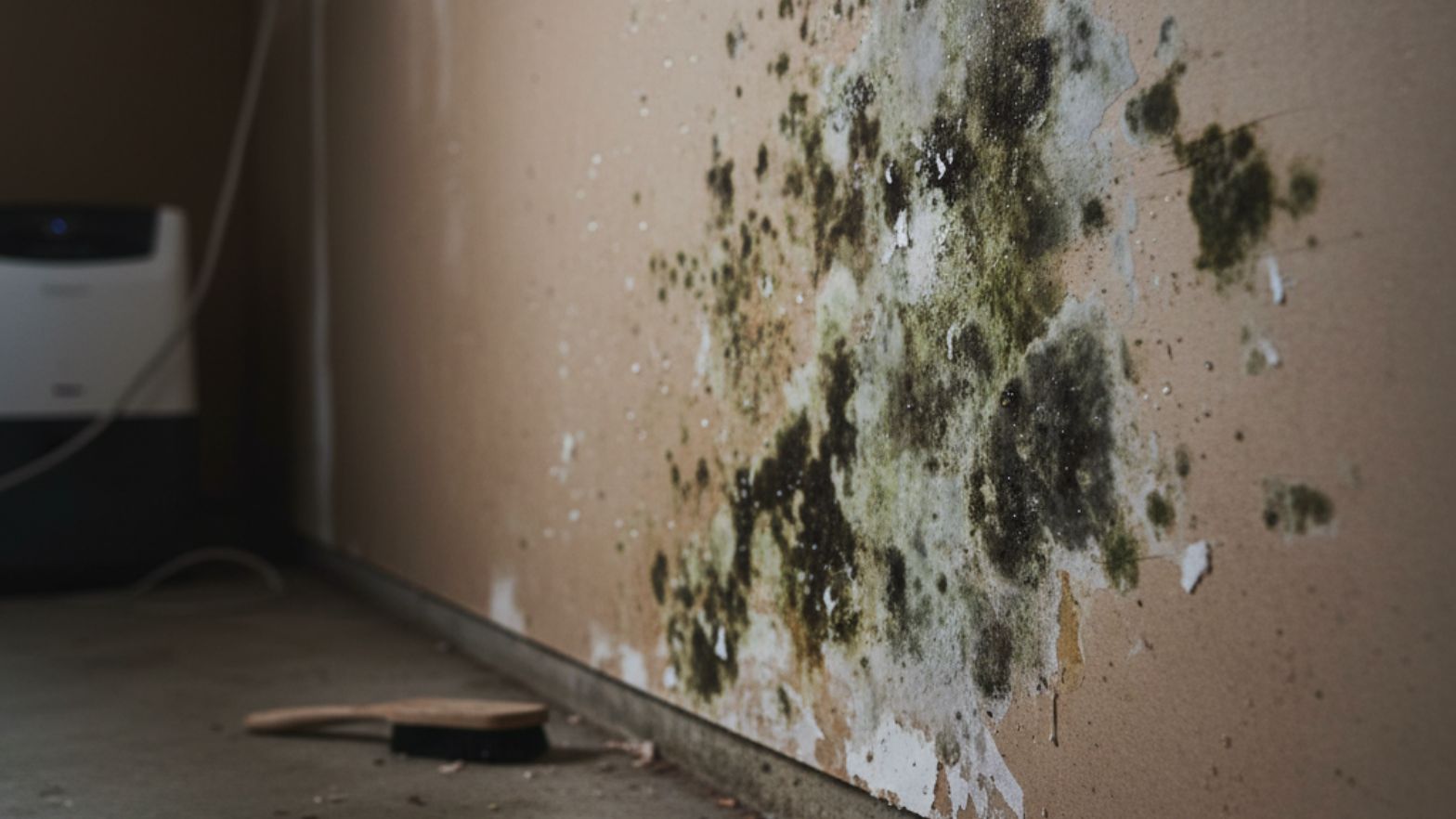
The moment a homeowner sees evidence of mold, a natural reaction is a mix of dread and urgency. This unwelcome growth, often accompanied by a distinct, musty aroma, signals a hidden issue that needs more than a simple wipe-down. Professional mold removal in NYC offers a sense of finality, a deep breath of fresh, clean air after a suffocating problem. However, a question often lingers in the back of a resident’s mind: Can mold truly return after a professional treatment? The short, honest answer is yes, it can.
Understanding this possibility is not a reason for panic but a call to thoughtful, ongoing home stewardship. A professional New York mold removal service is designed to eliminate the active mold colonies and mitigate the immediate spore load, but it is never a magical shield against future problems.
The Core of the Comeback: Fueling the Fungi
To truly grasp the potential for mold to stage a second act, one must first respect its simple yet persistent requirements. Mold needs three things to grow: spores, a food source, and moisture. Since mold spores are everywhere, and the organic materials that construct your home, like wood, drywall, paper, and dust, provide an abundant food source, the entire mold equation rests on a single, controllable factor: moisture.
When mold returns to a treated area, it is almost always because a core moisture issue was not fully identified or resolved. The remediation team removes the existing growth, but they are not always the dedicated specialists who repair a damaged roof or reroute a basement drainage problem. If the source of water intrusion remains, it simply becomes a ticking clock until the environment becomes hospitable again.
Unresolved Water: The Primary Invitation
An active water intrusion is the most frequent and significant reason mold comes back. A thorough mold remediation addresses the visible and measurable damage, but it cannot fix every underlying structural flaw unless those repairs are part of the scope of work.
The Problem of the Sneaky Leak
The obvious flood event or burst pipe is typically found and repaired immediately. The real troublemakers are the slow, concealed leaks. These could be a pipe with a tiny pinhole behind a wall, a hairline crack in the foundation, a roof shingle that allows water to wick under the decking during a heavy storm, or even a slow-draining condensate line from an HVAC system. These sources may only release a small amount of water over a long period, but they are more than enough to soak porous materials like insulation and drywall.
A material only needs to be wet for 24 to 48 hours for mold spores to begin germinating. If a hidden leak consistently keeps a cavity damp, a fresh colony can become established in a matter of weeks, negating the entire remediation effort.
The Atmosphere Problem: Humidity and Airflow
It is a common error to believe that moisture only refers to liquid water. In many cases, the moisture fueling a mold comeback exists in the air itself.
Condensation and Trapped Air
Indoor humidity levels above 60% create an ideal environment for mold, especially in cooler, poorly ventilated areas like basements, crawl spaces, and attics. When warm, moisture-laden air hits a cool surface, such as a window pane or an external wall in a humid climate, it condenses into liquid water. Over time, this condensation soaks surfaces and provides the lifeblood for mold.
Poor ventilation aggravates this issue. A bathroom without a functioning exhaust fan, a kitchen where steam from cooking is not vented outside, or a tightly sealed basement that lacks proper air exchange all become stagnant moisture traps. The air remains heavy with water vapor, and mold takes advantage of the persistent dampness on organic surfaces. After remediation, controlling this airborne water is just as critical as fixing a pipe.
The Incomplete Sweep: Missing the Hidden Colonies
The quality of the initial remediation also plays a role. A professional service adheres to specific protocols to contain the area, safely remove contaminated materials, and apply antimicrobial treatments. However, if the inspection was not thorough or if the containment failed, some mold or spores may have been missed.
Porous Materials and Residual Spores
Mold’s root-like structures, or hyphae, burrow deep into porous materials like drywall, carpet, and wood framing. Even if the surface appears clean, a DIY attempt or an incomplete professional job may leave deep-seated growth. This remaining mycelial mass can quickly regenerate under the right conditions.
Furthermore, remediation work often stirs up a massive volume of mold spores. If the work area is not properly contained and the air is not adequately filtered using specialized HEPA vacuums and air scrubbers, those spores can travel and settle in other areas of the home, waiting for their next moisture opportunity. This is why a post-remediation clearance test by an independent industrial hygienist is often a wise and recommended final step.
The Essential Post-Remediation Playbook
Preventing mold’s return is not a passive task; it requires a proactive commitment to moisture management. It means becoming a diligent steward of your property’s environment.
Master Moisture Control
- Humidity Monitoring: Place hygrometers in basements, attics, and main living areas to track the relative humidity. Strive to maintain levels between 30% and 50%. Employ dehumidifiers in problem areas and ensure they are emptied or properly drained.
- Prompt Leak Repair: Be vigilant. Check under sinks and around toilets, water heaters, and washing machines regularly. At the first sign of a leak or water stain, have it repaired immediately and dry the affected materials within a day.
Optimize Airflow and Ventilation
- Exhaust Fans: Use bathroom and kitchen exhaust fans every time you shower or cook, and leave them running for at least 15 to 20 minutes afterward to pull moist air outside.
- HVAC Maintenance: Ensure your heating, ventilation, and air conditioning system is clean and working correctly. Change filters on schedule to maintain air quality and prevent the system from becoming a spore highway.
Manage the Exterior Environment
- Foundation and Grading: Confirm that the ground slopes away from your home’s foundation, preventing rainwater from pooling against the structure.
- Gutters and Downspouts: Keep gutters clear of debris and ensure downspouts extend several feet away from the house to drain water safely.
If you suspect mold in your NYC apartment has reappeared, or if you are ready to implement a comprehensive strategy to prevent its return, the next logical action is consultation with an experienced team.
Take the final step toward lasting peace of mind. Contact Apex Mold Specialists today for a thorough mold testing in NYC and guidance on creating a permanently dry and healthy living space.


Comments are closed.