
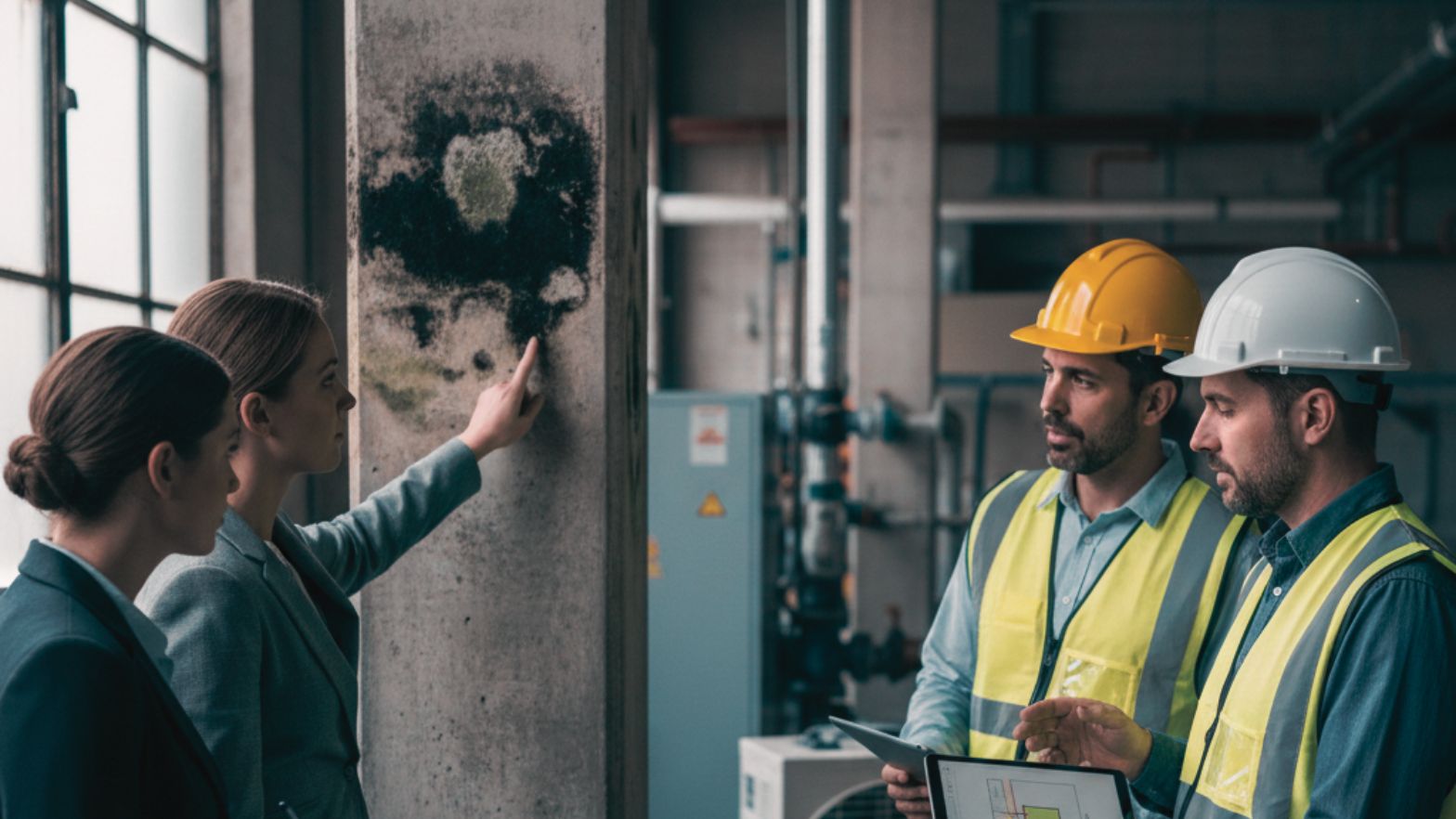
Mold rarely starts as a loud problem. It appears quietly, behind walls, above ceiling tiles, under flooring, or near HVAC systems. For commercial property owners, that silence can be costly. Offices, warehouses, and commercial buildings depend on clean air, stable structures, and safe working conditions. When mold enters the picture, it affects all three. The impact reaches far beyond appearance and moves straight into operations, liability, and reputation.
Mold and Commercial Spaces: A Different Set of Risks
Commercial properties face conditions that allow mold to grow without drawing attention. Large square footage, limited visibility in storage areas, frequent door traffic, and complex ventilation systems all contribute. Warehouses often store goods that absorb moisture. Office buildings rely on HVAC systems that run for long hours and can spread spores across multiple floors.
Unlike residential spaces, commercial buildings host many people each day. Employees, vendors, and clients all share the same air. Once mold becomes active, exposure increases quickly. This creates a mold risk for businesses in NJ and nearby states where humidity, seasonal storms, and older infrastructure play a role. Mold does not need dramatic water damage to thrive. Minor roof leaks, condensation on pipes, or poor airflow can be enough.
Indoor Air Quality and Employee Performance
Air quality affects how people work. Mold spores in the air can trigger headaches, congestion, fatigue, and breathing irritation. These symptoms often appear gradually. Employees may not connect them to the building itself.
Over time, productivity declines. Sick days increase. Morale drops. Some workers may request remote arrangements or transfers. Others may file complaints. Once indoor air quality becomes a topic of discussion, management faces pressure to act quickly. Commercial buildings that fail to address mold concerns may struggle with employee retention and rising health-related claims. Clean air supports focus and efficiency. Mold interferes with both.
Structural Damage and Long-Term Costs
Mold feeds on organic materials found throughout commercial buildings. Drywall, insulation, wood framing, ceiling tiles, and even cardboard packaging offer an easy food source. As mold spreads, these materials weaken.
What begins as a surface issue often turns into structural deterioration. Repairs become more invasive. Operations may need to pause while remediation takes place. In warehouses, damaged inventory adds another layer of financial loss. Commercial mold remediation in NY often involves addressing both visible growth and hidden contamination. Early intervention limits damage. Delayed action multiplies repair costs and downtime.
Compliance, Liability, and Legal Exposure
Commercial property owners carry a responsibility to provide safe conditions. Health and safety regulations apply to offices, retail spaces, and industrial buildings. Mold complaints can lead to inspections, fines, or lawsuits if negligence is found. Tenants may withhold rent or terminate leases. Employees may pursue claims related to workplace exposure. Clients may choose to work elsewhere if they sense an unhealthy environment.
Documentation matters. Professional inspections, remediation records, and post-treatment testing show that the property owner took reasonable steps. Without those records, defending against claims becomes difficult.
How Does Mold Disrupt Daily Operations?
Mold does not operate on a convenient schedule. Once identified, it demands attention. Areas may need to be sealed off. Equipment may need to shut down. Inventory may need relocation. For office buildings, this disrupts workflow. For warehouses, it affects logistics and delivery timelines. For mixed-use commercial spaces, it can impact multiple tenants at once.
Proactive mold management allows remediation to be planned with minimal interruption. Emergency responses often lead to rushed decisions and higher costs.
Regional Factors That Increase Mold Risk
The Northeast presents specific challenges. Seasonal humidity, heavy rainfall, snowmelt, and aging building stock create ideal conditions for mold growth. Properties in New York and New Jersey experience frequent temperature changes that lead to condensation inside walls and ceilings.
Commercial mold remediation in NY often addresses issues tied to older construction and dense urban layouts. Mold risk for businesses in NJ increases in properties near coastal areas, flood zones, or industrial districts with limited ventilation.
Prevention as a Business Strategy
Mold prevention supports long-term property value. Regular inspections catch moisture issues early. Proper drainage, roof maintenance, and HVAC servicing reduce risk. Monitoring humidity levels helps maintain balance throughout the building.
Training maintenance teams to spot early signs also makes a difference. Musty odors, staining, or persistent condensation deserve investigation. Ignoring these signs often leads to larger problems. Prevention costs far less than remediation after widespread growth.
Why Does Professional Remediation Matter?
Commercial properties require specialized expertise. Mold remediation involves containment, air filtration, removal of affected materials, and verification testing. Each step protects occupants and prevents cross-contamination.
Professional teams follow established protocols that meet industry standards. They understand how mold behaves in large spaces and how to address it without spreading spores through ventilation systems. Attempting temporary fixes or cosmetic cleaning does not solve the underlying issue. Mold returns when moisture remains.
Protecting Reputation and Business Continuity
A commercial building reflects the business operating inside it. Clients notice air quality, cleanliness, and maintenance. Mold issues can damage trust and credibility.
Addressing mold quickly shows responsibility and professionalism. It reassures tenants, employees, and partners that health and safety matter. This protects brand reputation and supports long-term growth.
To Sum Up
Mold may seem like a maintenance issue, but for commercial property owners, it affects operations, finances, and people. Offices, warehouses, and commercial buildings function best when air quality stays clean and structures remain sound.
If you own or manage a commercial property and suspect mold activity, taking action now protects both your building and your business. Call Apex Mold Specialists today to schedule a professional assessment and learn how expert remediation can safeguard your commercial property.


Comments are closed.