
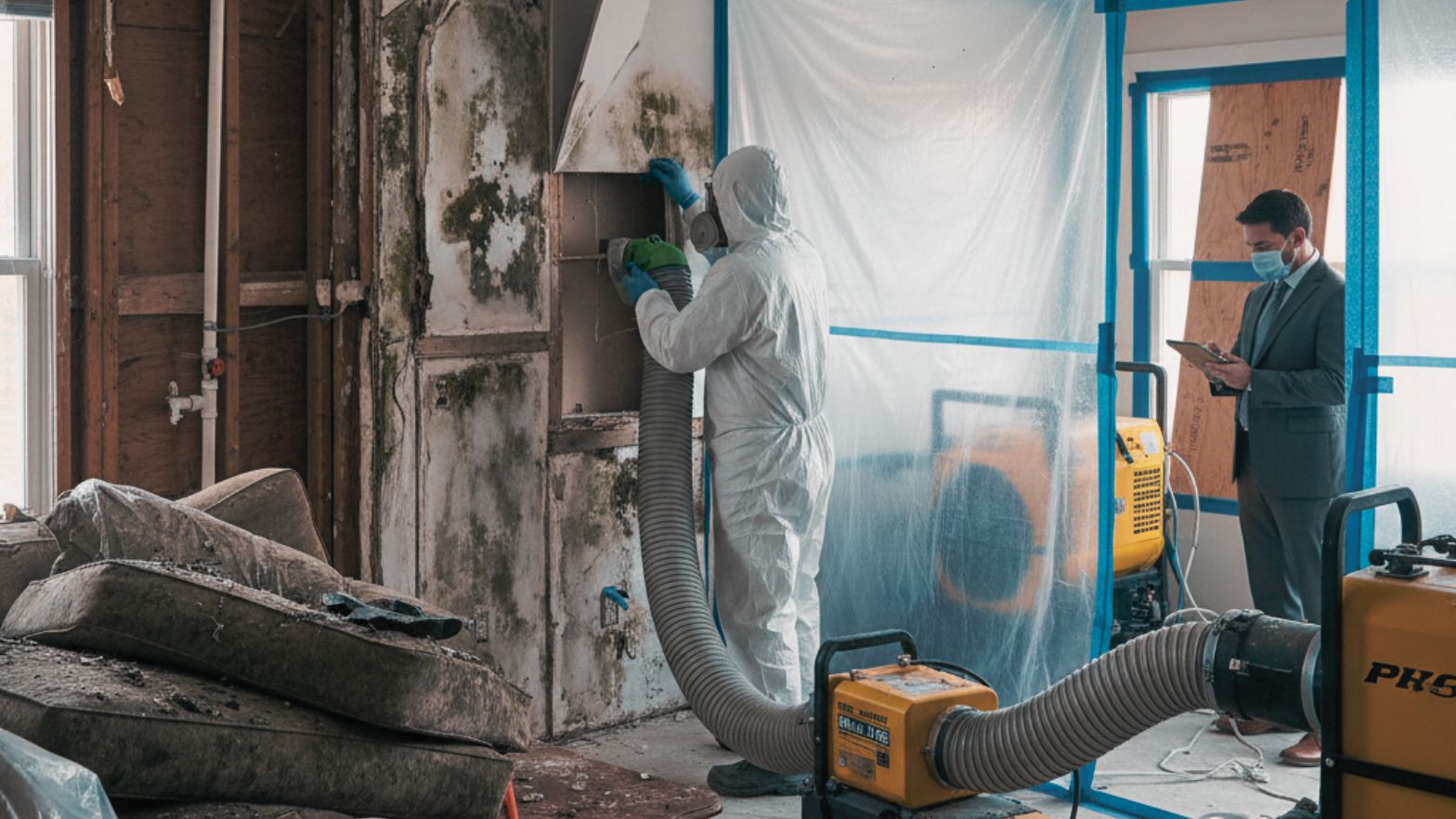
Mold has a way of changing the mood of a property overnight. One day, everything feels normal, and the next, there is a musty smell, dark patches on a wall, or health concerns that cannot be ignored. Along with the stress comes a big question. Will insurance help cover the cost, or will the responsibility fall entirely on the property owner? The answer depends on several details that are often buried deep in policy language. Understanding how insurance works when mold appears can save time, money, and frustration.
Why Are Mold and Insurance Complicated Partners?
Insurance companies look closely at the cause of damage, and mold creates a gray area. Mold itself is usually viewed as a result rather than a sudden event. Most policies are designed to cover unexpected incidents such as a burst pipe or a sudden appliance failure. Mold that grows slowly over time due to moisture issues or poor maintenance is treated very differently.
This distinction shapes every insurance decision related to mold. Carriers want to know how the moisture started, how long it went on, and whether it could have been prevented.
The Root Cause Matters More Than the Mold
When mold is reported, insurers rarely focus on the mold alone. They trace it back to the source of moisture. If a washing machine hose suddenly breaks and water spreads behind the walls, the mold that forms afterward may be covered. The coverage applies because the initial event was sudden and accidental.
On the other hand, a slow leak under a sink that goes unnoticed for months usually leads to a denial. From an insurance perspective, this falls under ongoing maintenance issues. Policies expect property owners to address small leaks and humidity problems before they turn into larger concerns.
What Does Homeowners Insurance Typically Cover?
Standard homeowners’ insurance may include limited mold coverage, but only under specific conditions. These usually involve water damage caused by a covered peril. Examples include a burst pipe, water damage from putting out a fire, or a sudden overflow from an appliance.
Even in these cases, many policies place strict dollar limits on mold claims. Some cap coverage at a few thousand dollars regardless of the actual remediation cost. Others require special endorsements to extend protection. This is where many homeowners are caught off guard.
Mold Exclusions You Should Know About
Most insurance policies contain clear exclusions related to mold. Common exclusions include mold caused by high humidity, poor ventilation, flooding, or long-term seepage. Flood-related mold is often excluded entirely and requires a separate flood insurance policy.
Wear and tear is another frequent exclusion. If mold develops due to an aging roof or deteriorating plumbing, insurers may argue that the damage resulted from neglect rather than a covered incident.
Renters and Landlords Face Different Rules
Renters insurance works differently from homeowners’ insurance. Renters’ policies usually cover personal belongings damaged by a covered event, but they do not pay for mold remediation within the structure itself. That responsibility typically belongs to the property owner.
Landlord insurance may cover mold under limited circumstances, similar to homeowners’ insurance. However, landlords must also consider liability. If tenants claim health issues related to mold exposure, proper documentation and professional remediation become even more important.
Commercial Properties and Mold Claims
Commercial insurance policies often involve more complex language. Coverage depends on the type of policy, the building use, and any additional endorsements. Business interruption coverage may come into play if mold forces a temporary closure, but only if the mold resulted from a covered cause.
For commercial property owners, working with professionals who understand both remediation and insurance documentation is essential. Insurers expect detailed reports, moisture readings, and proof that industry guidelines were followed.
The Role of Proper Documentation
Insurance claims involving mold live or die on documentation. Insurers want clear evidence of the source, timeline, and extent of the damage. Photos, moisture readings, lab results, and written reports all carry weight.
Professional inspections help establish credibility. Certified inspectors and environmental experts provide unbiased findings that insurance adjusters take seriously. This documentation becomes especially important for mold remediation insurance in New York, where policies are closely scrutinized and claim standards are strict.
How Do State Rules Influence Coverage?
Insurance practices vary by state. Policy language, coverage limits, and claim handling can differ between New York, New Jersey, and Connecticut. Homeowners often ask, “Does homeowner’s insurance cover mold in NJ?” and the answer depends on the same core factors but with state-specific nuances.
Local building codes and insurance regulations influence how claims are reviewed. Working with a remediation company familiar with regional requirements helps avoid delays and disputes.
Why Do Insurance Adjusters Look at Professional Remediation?
Insurance carriers prefer remediation work completed by trained and insured professionals. Certified technicians follow EPA and industry guidelines, which help protect both the property owner and the insurer. Improper cleanup can allow mold to return, leading to repeat claims or denied coverage in the future. Professional remediation reduces long-term risk and provides peace of mind.
Preventive Steps That Support Future Claims
Insurance companies expect reasonable care from property owners. Simple steps such as fixing leaks promptly, maintaining ventilation, and addressing water damage quickly can make a difference later. If mold does appear after a sudden event, immediate action helps demonstrate responsibility. Delays can raise questions about negligence and weaken a claim.
Working With Experts Who Understand Insurance
Navigating a mold claim involves more than calling an insurance company. It requires technical knowledge, proper testing, and clear communication. Companies experienced in insurance-related remediation understand how to present findings in a way that adjusters respect.
Apex Mold Specialists brings years of experience across residential and commercial properties in New York, New Jersey, and Connecticut. Our team includes certified inspectors, environmental scientists, and abatement technicians who follow strict guidelines and carry full pollution and general liability insurance. Our comprehensive reporting supports both legal and non-legal needs, making insurance conversations smoother and more effective.
Knowledge Reduces Stress When Mold Appears
Mold issues create uncertainty, especially when insurance coverage is unclear. Understanding how policies respond, what triggers coverage, and why documentation matters gives property owners control during a stressful time. Insurance may help, but only when the situation meets specific criteria and is handled properly.
When mold affects your property, expert guidance makes a difference. Contact Apex Mold Specialists to get professional inspection, clear documentation, and trusted remediation support. Our experience working alongside insurance providers helps protect your property, your health, and your peace of mind.


Comments are closed.