
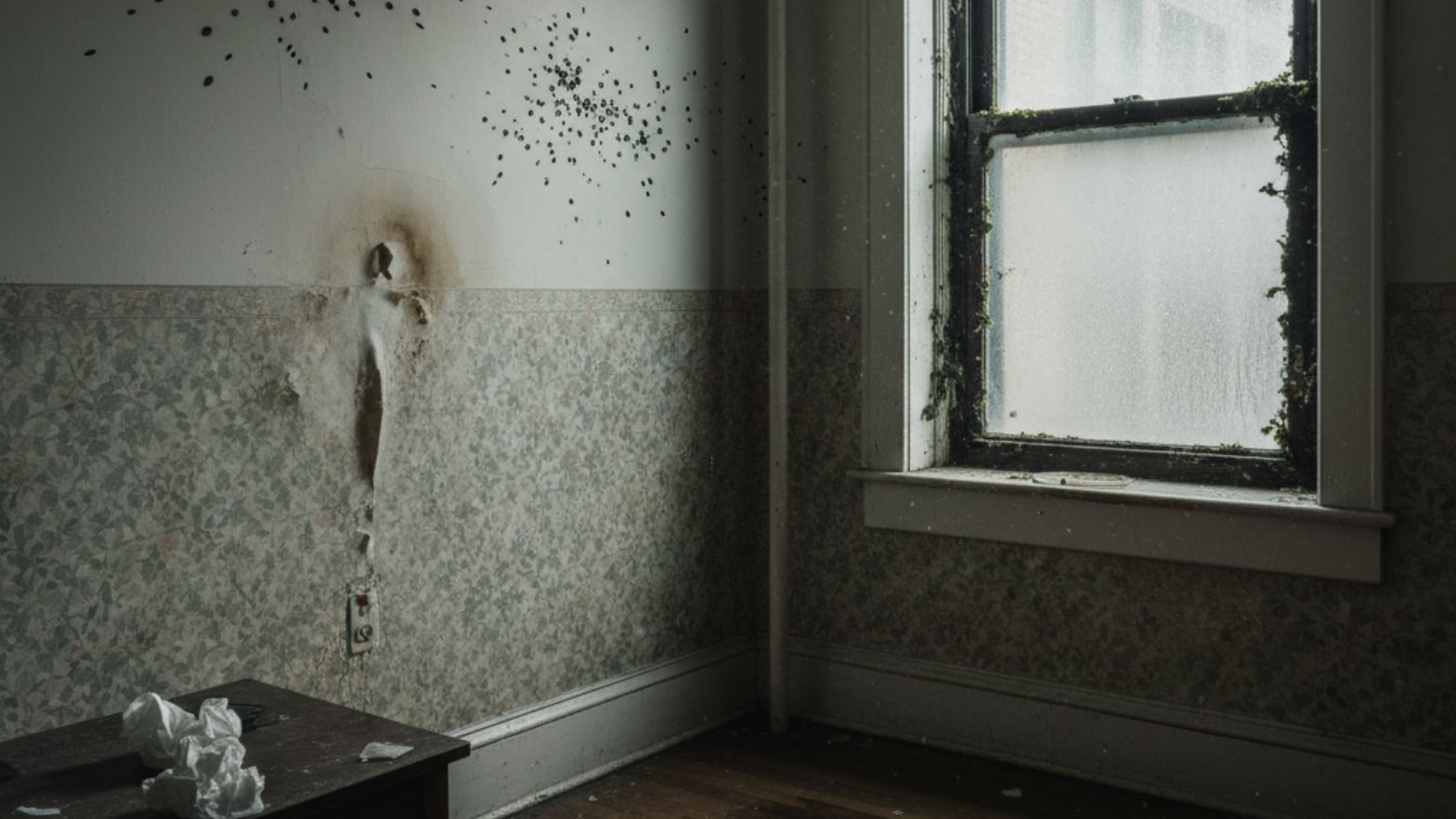
New York homes carry their own rhythm. Buildings breathe, floors settle, and seasons swing from humid summers to tightly shut winter months. That rhythm can be comforting until a small, unwanted guest slips into the routine: mold. It rarely arrives suddenly. It grows quietly, taking advantage of moisture, warmth, and forgotten corners. The earliest signs can feel subtle, almost easy to brush aside, which is why learning to recognize them makes all the difference. Spotting mold early protects your home, your health, and your peace of mind before a small issue grows into a costly project.
A Strange Scent That Lingers Longer Than It Should
One of the first signs is often a smell that never fully leaves the room. It settles in slowly, a damp, earthy odor tucked inside hallways, closets, or under sinks. Many New Yorkers chalk it up to the age of their buildings or the changing weather. Yet a persistent musty scent usually means moisture has been sitting somewhere too long.
Sometimes the smell appears before you see any visual clues. Pay attention if it greets you as soon as you walk into a room, especially after the AC has been off or after a rainy day. Mold has a way of making its presence known through scent long before it forms visible patches.
Tiny Spots That Multiply Quietly
Mold often begins as small dots that seem harmless. They might gather in corners of the bathroom ceiling, along grout lines, on window tracks, or behind furniture. At first, the discoloration might appear brown, green, gray, or nearly black. Because the spots are small, many people wipe them off and move on. The problem is that when the underlying moisture source remains, these dots return, and often in greater numbers.
In older NYC apartments, poorly sealed windows, aging drywall, and long-standing leaks create perfect conditions for mold to anchor itself. When small marks start spreading, it signals that the mold is not surface-level. It has roots beneath the material.
Walls That Start to Look Different
Walls can show early signs long before mold becomes obvious. Subtle bubbling, faint cracking, or paint that feels slightly soft or uneven often points to moisture beneath the surface. Some walls develop a patchy look, as if the color has shifted or dulled in one particular area.
If you notice peeling paint near a bathroom, kitchen, or exterior wall, take it seriously. Moisture behind a wall can create an ideal breeding ground for mold, and by the time paint begins to separate, mold may already be spreading on the other side. NYC buildings, especially older pre-war structures, are notorious for plumbing quirks that cause hidden dampness. Walls never change texture for no reason. That small visual shift can be one of the most important early warnings.
Allergies That Don’t Follow the Season
Mold can affect the body before it becomes visible. People often mistake mold reactions for early flu symptoms or seasonal allergies. But if symptoms linger indoors, ease when you leave home, and return once you enter again, mold may be the cause. Watch for symptoms such as:
- Constant sneezing
- Persistent cough
- Watery or itchy eyes
- Congestion that worsens at home
- Headaches that appear after you spend time indoors
If you or anyone in your home experiences these patterns, and especially if your building has a history of leaks, it is worth paying close attention. Mold spores travel through the air, and the smallest clusters can impact sensitive individuals.
Windows That Stay Damp and Frames That Grow Dark Edges
Condensation on windows is common in New York during winter. But when moisture stays there for hours or forms droplets that drip onto the sill, mold may begin growing along the edges of the frame. Darkened corners, soft wood, and peeling caulk are small signs that moisture has been lifting and feeding mold spores.
Pay attention to window sills that remain damp even on days without dramatic temperature changes. If the condensation is constant, the surrounding area may be accumulating mold even if it has not surfaced yet.
A Subtle Film on Surfaces
Sometimes the first sign is not a spot or smell but a thin, powdery layer that keeps returning even after cleaning. This film can form on shelves, appliances, bathroom tiles, or even flooring. It may appear white, gray, or slightly fuzzy when the light hits it. The texture often feels different from regular dust, almost damp, even when the room seems dry.
If this film appears repeatedly, especially near a humid area like the bathroom or near a leak-prone pipe, mold may already be developing nearby.
Rooms That Feel More Humid Than Usual
A room can feel different before it looks different. If one part of your home feels stuffier, heavier, or unusually damp compared with others, mold may be forming in a hidden corner. Humidity that lingers around 60 percent or higher gives mold an open invitation.
This often happens in bathrooms without strong ventilation, basements with old insulation, or kitchens where steam has nowhere to escape. NYC apartments with sealed windows or limited airflow make it even easier for moisture to settle in.
Floors That Start to Warp or Darken
Flooring can reveal mold problems early when something feels slightly off underfoot. Wood may warp, laminate might bubble, and tiles may loosen. Dark patches or a spongy texture often signal moisture inside the subfloor. This type of warning often follows unnoticed appliance leaks or long-term humidity settling along baseboards and corners.
If your floor changes shape or tone, mold may be developing beneath it. Even a small area of moisture can spread farther than expected.
Concluding Thoughts
Mold rarely appears overnight. It begins with tiny changes, such as smells, textures, colors, or sensations that we often overlook in busy New York living. But these early signs matter. Noticing them quickly can protect the structure of your home, your belongings, and your health. Once mold starts to spread, it grows fast.
If you are unsure whether your home is showing early mold activity or you suspect a hidden source, reach out for professional help. Skilled specialists can pinpoint what you cannot see, trace moisture to its source, and remove mold safely.
For reliable inspection and remediation in any NYC home, connect with Apex Mold Specialists. We bring expert care, accurate assessments, and thorough solutions that keep your home safe. Reach out today and take the first step toward a cleaner, healthier space.


Comments are closed.