
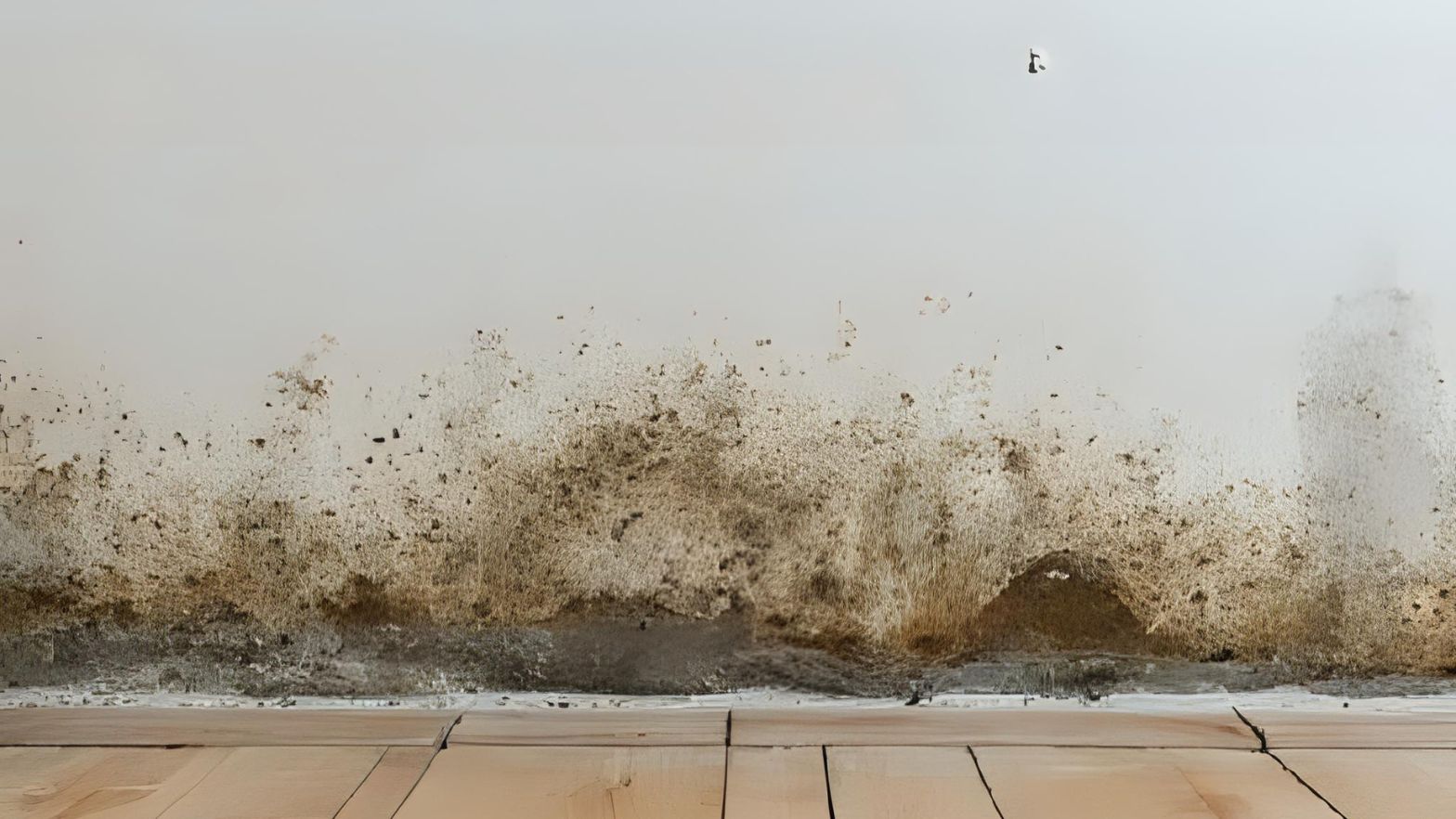
Mold, a type of fungus, reproduces by releasing tiny, lightweight spores into the air. These spores are everywhere, both indoors and out. They are, for the most part, harmless in their small, natural concentrations. The problem begins when these spores find an environment conducive to growth: moisture, a food source (like wood, drywall, or fabric), and a comfortable temperature.
A leak behind a wall, a persistently high humidity level in a basement, or improper ventilation in an attic can turn an ordinary space into a mold factory. Once established, the colony spreads, feeding on organic materials and releasing more spores, mycotoxins, and volatile organic compounds (VOCs) into the indoor air. The danger here is twofold: structural damage and health concerns.
The allure of this hidden world is the stark contrast between the visible, well-maintained exterior of a structure and the thriving, unseen ecosystem within its walls. It’s a silent, constant biological process that most occupants remain completely unaware of until the problem is severe.
The Architecture of Concealment: Where Mold Thrives
Mold prefers the dark, undisturbed, and moist. The very design of modern structures, with their layers of insulation, vapor barriers, and enclosed spaces, provides ideal real estate for this fungus. Knowing the common culprits helps in the early identification and prevention of major problems.
The Wall Cavity Conundrum
A slow, persistent plumbing leak inside a wall is arguably the most common cause of hidden mold. Over weeks or months, the drywall backing and wood studs become saturated. Since the water doesn’t pool visibly on the floor, the issue goes unnoticed.
- Materials at Risk: Paper backing on drywall, wood studs, fiberglass insulation.
- Signs to Watch For: Peeling paint, bubbling wallpaper, or a soft spot in the drywall far from any visible plumbing fixture. A persistent musty odor is often the only early clue.
The Attic’s Unspoken Moisture Trap
Attics are subject to dramatic temperature swings. If the ventilation is poor or if bathroom and kitchen exhaust fans vent directly into the attic space (a surprisingly common code violation), warm, moist air condenses on the cold surfaces of the roof sheathing.
- The Problem: The moist wood becomes a food source, and condensation provides the water. Mold can grow extensively on the underside of the roof sheathing, which supports the shingles.
- The Ask: The attic often seems dry from the bottom floor, but a quick mold inspection will reveal dark discoloration, often black or white, on the wood structure. This growth, primarily Cladosporium or Aspergillus, can degrade the wood over time.
Subterranean Secrets: Basements and Crawlspaces
These areas are naturally cooler and closer to the earth, making them prime spots for moisture intrusion. In a vented crawlspace, outside humidity can condense on the cooler surfaces, driving the relative humidity above the 60% threshold needed for mold growth.
- The Mechanism: The “stack effect” in a home dictates that air drawn in through the lower levels (crawlspace) moves upward through the living space and out the attic. Mold spores and odors generated in the crawlspace are effectively pulled into the main dwelling.
- The Impact: Mold in the crawlspace doesn’t just stay there. It contaminates the air quality throughout the entire house.
HVAC Systems: Air’s Hidden Highway
The heating, ventilation, and air conditioning (HVAC) system is designed to circulate air, but it can unintentionally circulate mold spores. The air conditioning coil is inherently wet due to condensation necessary for cooling. If the drain pan or condensate line clogs, the standing water can become a major breeding ground.
- The Risk: Mold growing on the coil or in the ductwork is then blown directly into every room. The source of the contamination is internal to the air handling unit.
- A Subtle Indication: Persistent or recurring allergy-like symptoms that only improve when leaving the structure for an extended period.
The Scent of Silence: Identifying the Unseen
Since the visual cues are absent, homeowners must rely on other senses and indirect evidence. The musty odor is the most reliable initial indicator. This smell is produced by microbial volatile organic compounds (MVOCs) released by the mold as it grows. It’s a distinct, earthy, unpleasant smell, the signature of a thriving fungal colony.
Another crucial sign is the clustering of unexplained physical symptoms. Mold exposure can mimic common allergies, including:
- Persistent nasal congestion and a runny nose
- Eye irritation and watery eyes
- Coughing, wheezing, or difficulty breathing
- Skin rashes or irritation
When these symptoms are chronic, do not respond well to standard allergy treatments, and seem worse inside the home, especially in certain rooms, the air quality needs professional evaluation.
From Suspicion to Solution: The Path to Remediation
Confronting hidden mold requires a different approach than cleaning surface mildew. The process moves from identification to containment and finally removal.
Professional Inspection
A reputable mold testing company in NYC uses specialized tools, such as moisture meters, thermal imaging cameras (to detect temperature differentials caused by moisture), and air sampling equipment. They can pinpoint the exact location and measure the concentration of spores in the air, determining the extent of the problem without unnecessary demolition.
Source Correction
Mold cannot grow without moisture. Before any removal begins, the underlying water intrusion, such as the leaking pipe, the ventilation issue, or the drainage problem, must be permanently fixed. Neglecting this step guarantees the mold’s return.
Containment and Removal
Professional mold remediation experts in New York establish airtight containment barriers (often using plastic sheeting and negative air pressure machines) to ensure that the spores are not spread throughout the house during the cleanup. Contaminated materials like drywall, carpet, and insulation are carefully removed, bagged, and disposed of. The remaining structural elements, like wood framing, are cleaned using HEPA vacuuming and antimicrobial treatments.
Post-Remediation Verification
A final air sample, often called a “clearance test,” is performed by an independent environmental testing company to confirm that the spore counts have returned to normal, healthy levels, ensuring the job is complete and effective.
To Conclude
The world beneath the surface of a house is complex. Ignoring the signs of a damp environment is an invitation for a tenacious and damaging tenant to move in. The most effective way to eliminate the worry of unseen mold is to seek expert help. If you’ve noticed persistent odors, water damage, or unexplained health issues, don’t wait for the evidence to breach the surface.
Contact Apex Mold Specialists today for a comprehensive mold inspection in New York to ensure your home is healthy and structurally sound. Protect your family from the mold you can’t see.


Comments are closed.