
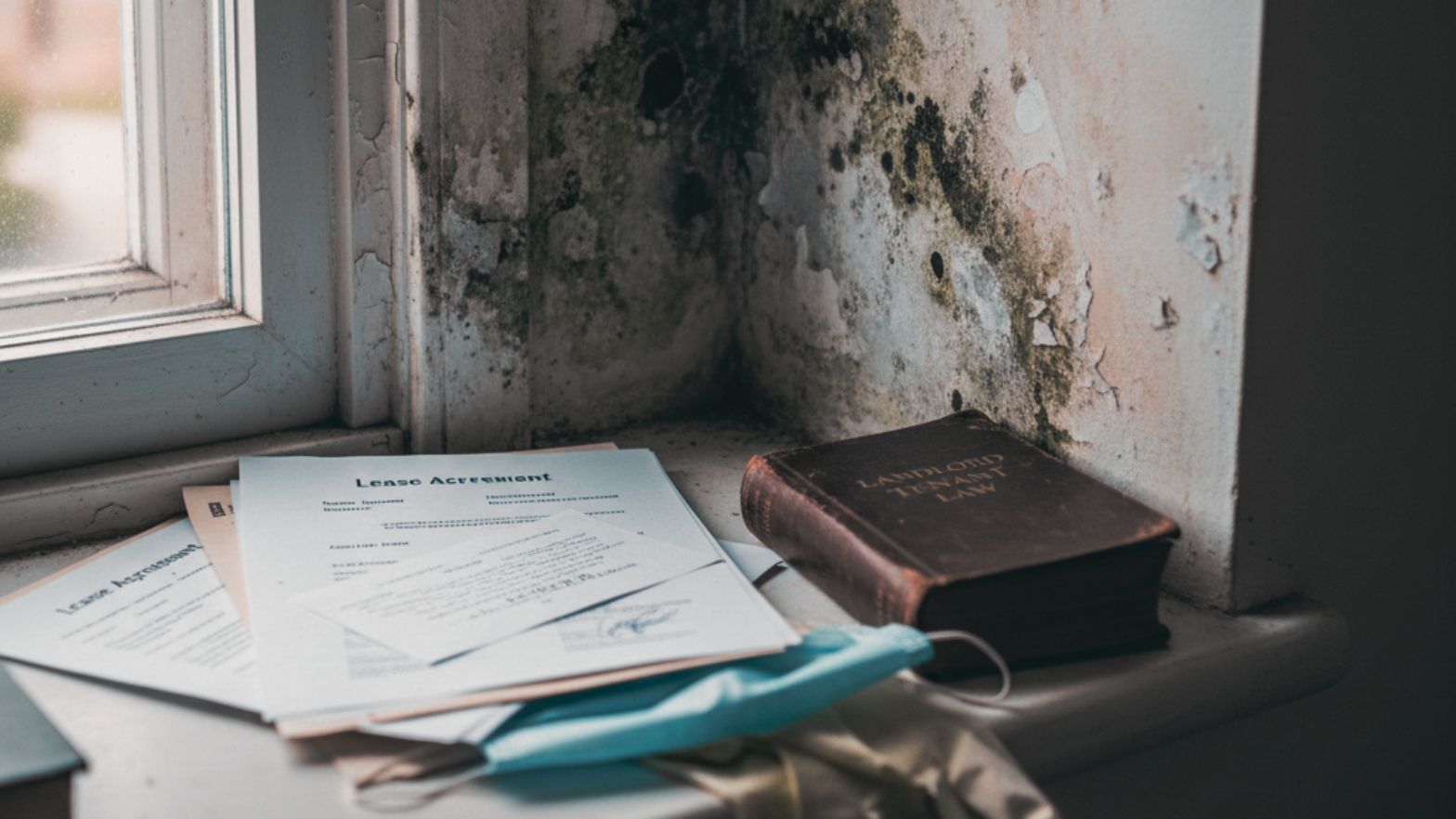
You walk into your bathroom one morning and notice dark patches creeping along the ceiling corners. Maybe it’s the musty smell that hits you first when you open your closet door. Mold has arrived, uninvited and unwelcome. Now comes the real question: whose problem is this to fix?
New York rental properties face unique challenges with mold growth. The state’s humid summers and aging building infrastructure create perfect conditions for these fungi to thrive. For both landlords and tenants, understanding who handles what can save thousands of dollars and prevent serious health issues down the road.
What Does New York Law Actually Say About Mold?
New York takes mold seriously, and the state has put specific rules in place. Under the Warranty of Habitability, landlords must maintain rental properties in livable conditions. This includes keeping units free from conditions that allow mold to grow and spread.
The New York City Department of Health considers visible mold that covers more than 10 square feet a violation. Buildings with three or more units must conduct annual inspections for mold and water damage. Landlords who ignore these requirements can face fines and legal action from tenants.
But here’s where things get complicated. The law looks at how the mold got there in the first place. A leak from the apartment upstairs? That’s on the landlord. Mold growing because a tenant never opens windows or runs the bathroom fan? That shifts responsibility.
What Should Landlords Handle?
Property owners carry most of the legal burden when it comes to mold prevention and removal. They need to address structural issues that create moisture problems. This includes fixing leaky roofs, broken pipes, faulty windows, and inadequate ventilation systems.
When a tenant reports mold, landlords have a reasonable timeframe to respond. “Reasonable” typically means within 24 to 48 hours for emergency situations, though New York law doesn’t set exact deadlines. The longer a landlord waits, the worse the problem becomes and the stronger the tenant’s legal position grows.
Professional mold inspection in NY often becomes necessary when the source or extent of contamination remains unclear. Landlords who try to save money by skipping proper assessment usually end up spending more when the problem resurfaces or spreads.
For significant mold issues, bringing in mold removal specialists makes legal and practical sense. These professionals understand proper containment, removal techniques, and how to address underlying moisture sources. DIY approaches might clean visible mold but rarely solve the root cause.
Where Does Tenant Responsibility Begin?
Tenants have their own obligations under New York rental agreements. Basic maintenance falls on the person living in the space. This means cleaning up small amounts of mold that appear from everyday activities, maintaining reasonable ventilation, and reporting problems promptly.
Common tenant-caused mold situations include leaving wet towels on floors, never running exhaust fans, blocking air vents with furniture, or keeping windows sealed tight year-round. When mold results from these habits rather than building defects, tenants may need to pay for cleaning or remediation.
The keyword here is “prompt reporting.” A tenant who notices a small leak and waits three months to tell the landlord can’t then blame the property owner for extensive mold damage. New York courts have ruled that tenants who fail to report known issues lose some legal protections.
Smart tenants document everything. Take photos of mold when you first spot it, send a written notice to your landlord (email counts), and keep records of all communication. This paper trail becomes valuable if disputes arise later.
The Gray Areas That Cause Problems
Real life rarely fits neatly into legal categories. What happens when mold appears but nobody knows why? Or when both parties share some blame?
Consider a scenario where a building has poor ventilation (landlord’s issue), but the tenant also dries laundry indoors on racks (tenant behavior). Courts look at the primary cause and whether each party acted reasonably.
Another common dispute involves the scope of mold removal in New York. A landlord might wipe down visible mold with bleach and call it done. The tenant wants professional mold removal in NY with proper testing and containment. Who decides what’s “adequate”? Usually, the extent of contamination determines the answer. Small surface mold might only need basic cleaning, while mold inside walls or HVAC systems requires professional intervention.
Health Concerns Change the Equation
Medical issues add urgency and legal weight to mold situations. People with asthma, allergies, or compromised immune systems face serious risks from mold exposure. When a tenant has documented health problems worsened by mold, landlords face greater pressure to act quickly and thoroughly.
New York courts have awarded damages to tenants who suffered health effects from landlords’ neglect of mold problems. These cases often hinge on whether the landlord knew about the issue and failed to respond appropriately.
Tenants should inform landlords in writing about any health conditions affected by mold. This creates a record and may speed up response times. However, tenants can’t manufacture urgency by exaggerating or fabricating health problems. False claims can backfire in legal proceedings.
Making the System Work for Everyone
The best approach to mold in rental properties involves cooperation rather than confrontation. Landlords who respond quickly to reports and fix underlying problems avoid bigger headaches later. Tenants who maintain their units properly and communicate clearly help prevent minor issues from becoming major disasters.
Regular maintenance prevents many mold problems before they start. Landlords should schedule routine inspections, especially in high-risk areas like basements and bathrooms. Tenants should run exhaust fans, report leaks immediately, and keep units reasonably ventilated.
When problems do arise, both parties benefit from professional assessment. A qualified mold inspection in NY provides objective information about the extent of contamination and appropriate remediation methods. This removes guesswork and helps avoid disputes about whether cleanup was adequate.
Taking Action When Mold Appears
Nobody wants to deal with mold, but ignoring it never makes the problem better. Whether you’re a landlord protecting your investment or a tenant safeguarding your health, addressing mold quickly and properly matters.
The complexity of mold issues in New York rental properties means that professional help often becomes necessary. Trying to navigate these situations alone can lead to incomplete remediation, ongoing health risks, and potential legal problems.
At Apex Mold Specialists, we bring the expertise needed to handle mold problems correctly the first time. Our team understands both the science of mold remediation and the practical realities of New York rental properties. We work with landlords and tenants to identify sources, remove contamination safely, and prevent future growth. When you need reliable mold removal in NY, we’re here to help you breathe easier. Contact us today for a thorough assessment and a clear path forward.


Comments are closed.