
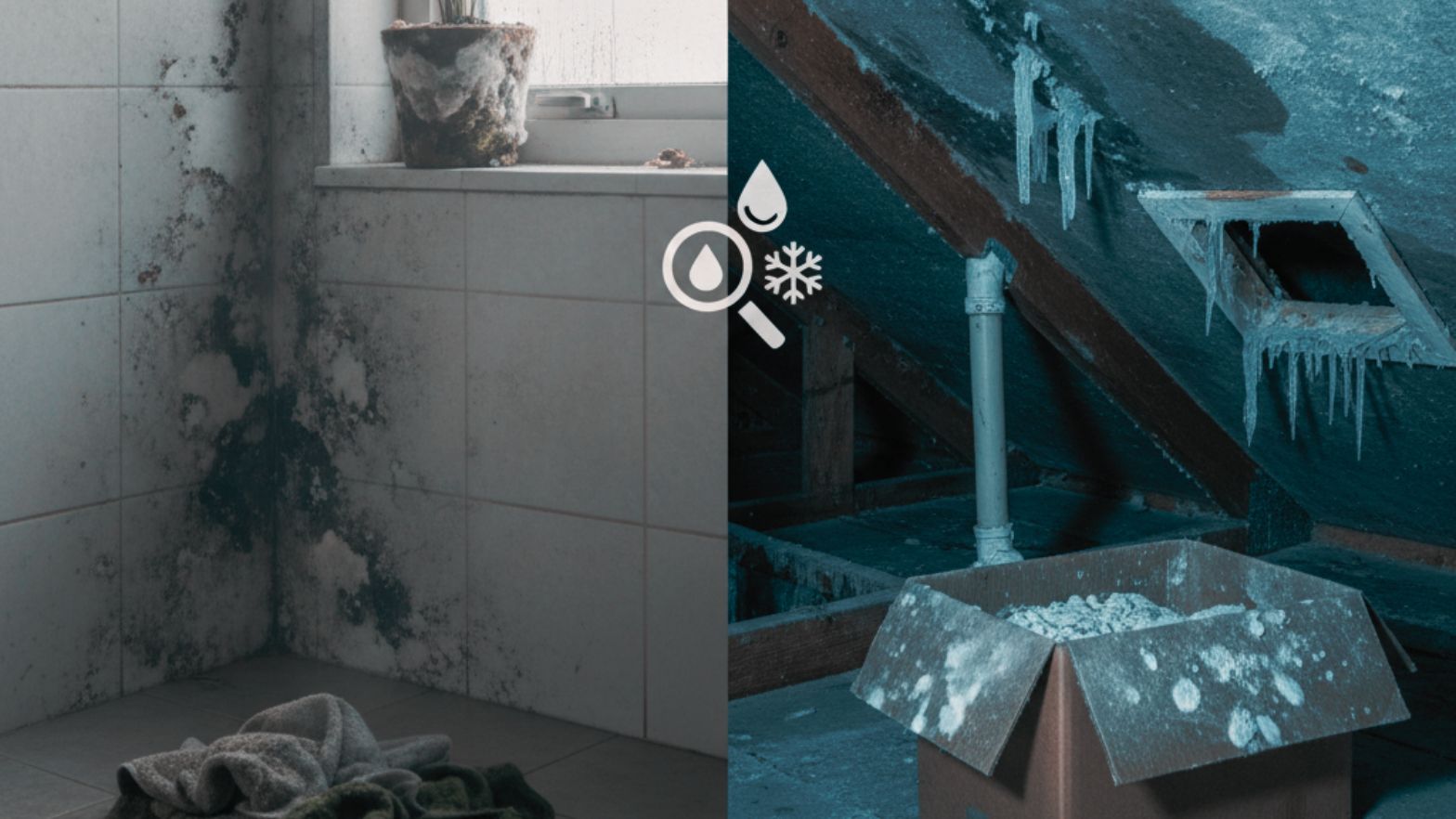
Mold does not knock before it enters. It waits for the right conditions and then quietly settles in. Seasonal weather changes play a bigger role in mold growth than most people realize. Humid summers and freezing winters create two very different environments, yet both can trigger serious mold problems inside homes.
Understanding how mold behaves during different seasons helps homeowners spot trouble early. The sooner mold is caught, the easier it is to control. Waiting too long often leads to damaged materials, unhealthy air, and costly repairs.
How Do Weather Patterns Influence Indoor Mold Growth?
Mold grows where moisture lingers. Seasonal shifts affect how moisture moves through a home. Summer brings heavy humidity that creeps indoors, while winter creates condensation when warm air meets cold surfaces.
Modern homes are designed to hold heat and cool air efficiently. That tight construction limits airflow, which allows moisture to stay trapped. Over time, that trapped moisture settles into walls, ceilings, and hidden spaces where mold can grow without being noticed.
Summer Humidity: A Mold-Friendly Environment
Summer heat raises indoor humidity levels, even with air conditioning running. Every time doors or windows open, moisture enters. Activities like cooking, showering, and doing laundry add even more humidity to the air.
Bathrooms and kitchens are prime targets during the summer. Steam builds up quickly and takes longer to evaporate. Tile grout, ceiling corners, and areas around exhaust fans often stay damp longer than expected.
Basements also struggle in the summer. Warm air entering a cooler basement causes condensation on pipes, concrete walls, and floors. Mold often begins behind stored items, furniture, or cardboard boxes, where airflow is limited.
Signs of Mold Trouble During Warm Months
Summer mold does not always announce itself loudly. A faint musty smell that lingers after cleaning is often the first warning. Light staining on walls or ceilings may appear, usually in areas with poor ventilation.
Another warning sign is when paint begins to bubble or peel. That damage usually means moisture is trapped beneath the surface. People may also notice allergy symptoms worsening indoors, including sneezing, congestion, or irritated eyes. Ignoring these early signs allows mold to spread deeper into building materials.
Winter Conditions Create Their Own Mold Risks
Cold weather brings a different set of challenges. Indoor air stays warm while outside temperatures drop. That temperature difference causes moisture in the air to condense when it touches cold surfaces.
Windows, exterior walls, and attic spaces are common problem areas during winter. Condensation may form repeatedly, keeping surfaces damp for long periods. Poor insulation makes the issue worse by allowing cold spots to develop inside walls.
Heating systems also play a role. Humidifiers attached to furnaces can introduce excess moisture if the settings are too high. That moisture settles in ceilings, wall cavities, and insulation, where mold grows quietly out of sight.
Winter Mold Hot Spots Inside the Home
Windows often show visible moisture first. Water pooling along sills or frames indicates ongoing condensation. Mold can develop behind trim and drywall long before it becomes visible.
Closets located against exterior walls are another frequent trouble spot. Limited airflow combined with cold surfaces creates ideal conditions for mold growth on clothing, shoes, and stored items.
Attics face winter mold risks when warm indoor air escapes upward. Without proper ventilation, moisture collects along the roof decking and insulation, leading to mold growth that often goes unnoticed until damage becomes extensive.
Seasonal Transitions Can Trigger Mold Surges
Spring and fall deserve attention as well. Temperature swings during these seasons cause repeated condensation cycles. Melting snow, heavy rain, and fluctuating indoor heating can introduce moisture faster than it can escape.
Homes with poor drainage or clogged gutters face higher risks during seasonal transitions. Water intrusion around foundations and roofs often begins during these periods, feeding mold growth behind walls and ceilings.
Prevention Tips That Work Year-Round
Controlling moisture is the most effective defense against mold. Using exhaust fans in bathrooms and kitchens helps remove excess humidity. Dehumidifiers can stabilize moisture levels in basements and other damp areas.
Checking insulation and sealing air leaks reduces condensation during winter. Proper attic ventilation allows moisture to escape before it settles into building materials. Routine inspections matter. Looking behind furniture, checking window frames, and monitoring basements helps catch problems early. Small moisture issues are far easier to manage than widespread mold damage.
When Does Mold Become a Professional Matter?
Some mold problems extend beyond surface cleaning. Hidden growth inside walls, ceilings, or HVAC systems requires professional assessment and removal. Attempting to handle extensive mold without proper equipment often spreads spores and worsens the problem.
Professional mold removal focuses on identifying the moisture source, removing contaminated materials safely, and preventing future growth. Addressing the root cause matters just as much as removing visible mold.
Stay Ahead of Seasonal Mold Risks
Mold follows moisture, and moisture follows the seasons. Humid summers and cold winters each create conditions that allow mold to thrive in different ways. Staying aware of seasonal risks helps protect both your home and your health.
If you suspect mold in your home or want expert guidance on prevention, Apex Mold Specialists is here to help. Our team understands how seasonal conditions affect mold growth and provides thorough inspections and professional solutions you can trust. Reach out today and take the first step toward a cleaner, healthier home.


Comments are closed.