
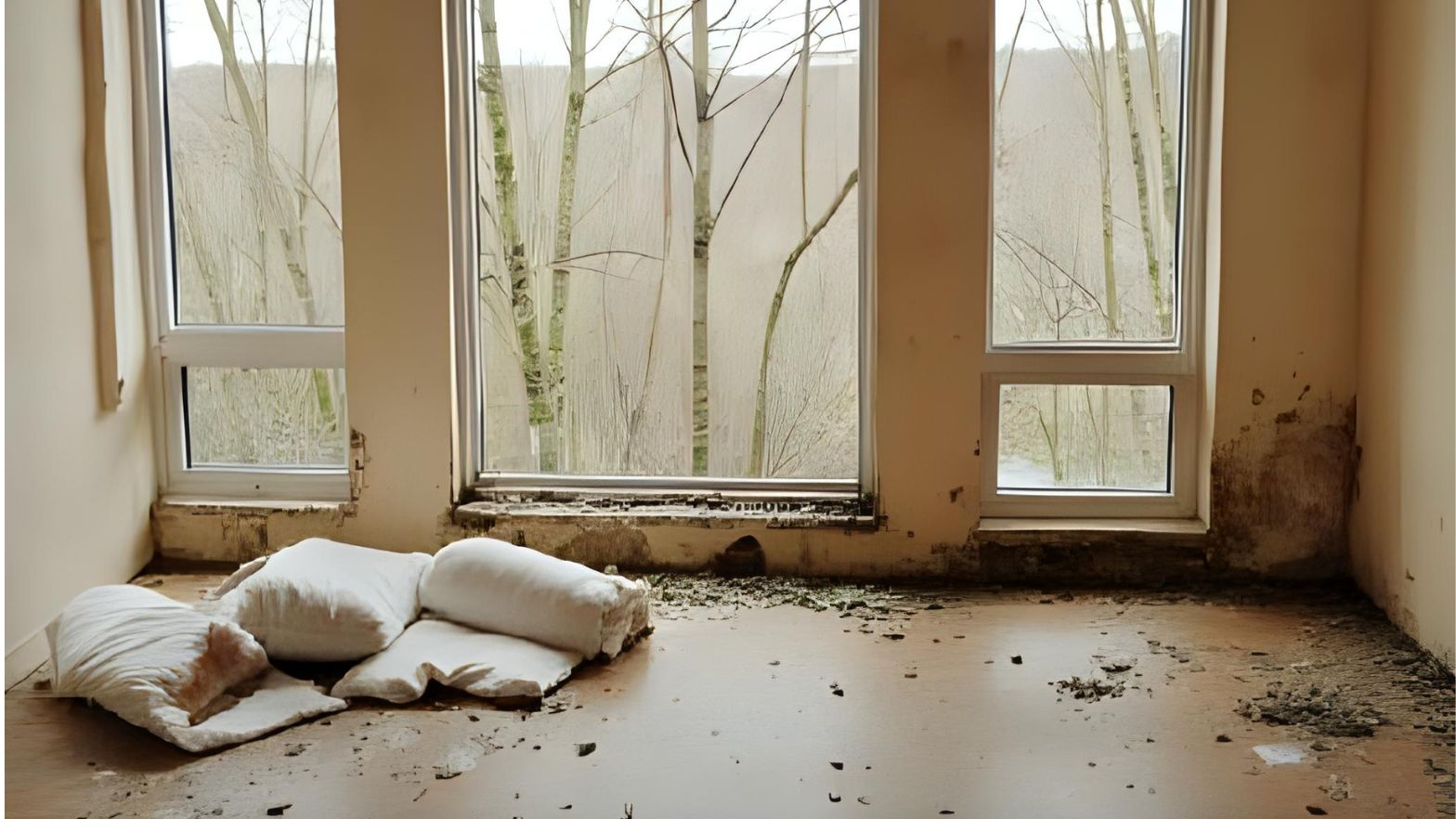
Mold has a quiet way of settling into a home. It begins with a slight musty smell or a faint sign that most people barely notice. Over time, it spreads through corners, behind walls, and across places that rarely get attention. Many homeowners try cleaning it with quick fixes, yet the problem returns. To understand why mold stays around, it helps to know what drives it and how certain conditions allow it to grow again and again.
This guide explains the main reasons mold holds on, especially in places like New York, where weather swings and older buildings play a major role.
Moisture That Lingers
Moisture is the biggest factor in the growth of mold. When surfaces stay damp for long periods, they create the right environment for spores to settle and spread. Plumbing lines that drip slowly, showers that have poor ventilation, and windows that collect condensation all feed the problem. Many homes keep moisture trapped during colder months when heaters run for long periods and fresh air exchange becomes limited.
Moisture does not simply dry out on its own when the source continues. A small puddle under a sink or a damp patch on a bathroom ceiling can give mold the room it needs to expand. This is one of the most common answers to the question of what causes mold in homes. Without removing the source of the moisture, cleaning becomes a temporary fix rather than a solution.
Hidden Leaks That Go Unnoticed
Hidden leaks pose a huge challenge because they can continue for weeks or even months without any visible sign. A pin-sized opening in a pipe inside a wall can release enough water to soak insulation and framing. By the time a stain appears on the surface, the mold behind it may have already grown across a wide area.
Older buildings in New York often have plumbing lines tucked into tight spaces. Wear and tear, seasonal temperature changes, and aging materials can lead to slow leaks. These unseen issues are among the most common hidden mold causes New York homeowners face. Since the moisture is trapped inside walls and ceilings, mold thrives without exposure to light or airflow.
Repairing a leak only after mold becomes visible means the problem has already matured. The key is early detection and moisture control before mold gains a foothold.
HVAC Problems That Feed Mold Growth
HVAC systems help regulate indoor comfort, but they can also create conditions that support mold. When filters clog or ducts trap humidity, the system begins circulating moist air throughout the home. Moisture can collect inside the ducts, where spores attach themselves and travel from room to room.
Poor maintenance causes many of these problems. If the system cannot remove enough moisture from the air, rooms become humid even when the temperature feels normal. Damp air settles on cool surfaces such as vents, windows, or corners near the floor. Once that happens, mold follows soon after.
When homeowners notice recurring mold patches near vents or along ceilings, HVAC issues are often the missing piece of the puzzle.
Building Materials That Hold Moisture
Some materials in homes absorb moisture more easily than others. Drywall, insulation, wood framing, and even certain types of flooring can hold water long after a small leak is fixed. Once these materials soak up moisture, they stay damp for a long period and become ideal for mold growth.
This becomes a larger concern in older homes where materials have aged. New York buildings often face this due to long winters, older plumbing, and limited airflow in certain rooms. A surface may look dry on the outside while moisture lingers inside the structure. If mold starts growing inside a wall, wiping the outer surface does nothing to remove what is happening behind it.
Rooms That Lack Proper Ventilation
Kitchens, bathrooms, basements, and laundry areas often retain more moisture than any other parts of a home. Without proper airflow, these rooms allow humid air to settle. Warm showers fill bathrooms with moisture that clings to walls. Laundry rooms with poor ventilation allow steam from dryers to keep the space damp. Basements collect moisture from groundwater or poor insulation.
When humidity remains high indoors, mold has an easier time spreading. Good ventilation helps move moisture out of a home. When that airflow is missing, mold becomes much harder to manage.
Why Does Cleaning Alone Not Work?
Many people use surface cleaners hoping to wipe away mold completely. The challenge is that the visible layer is only a small part of the problem. Mold tends to root itself deeper into porous materials. Surface cleaning may remove the visible patch, but the growth underneath continues.
If moisture remains or the source of humidity stays active, the mold returns. Long-lasting results come from addressing the cause rather than the surface. That may involve repairing leaks, improving ventilation, cleaning HVAC systems, or removing materials that no longer dry properly.
How Do Weather Patterns Affect Mold in New York?
New York weather moves from humid summers to cold winters. This constant shift affects moisture levels in homes. During warm months, humidity enters through windows, foundations, and open doors. During winter, heating systems dry the air, but condensation forms on cooler surfaces such as windows. Each season creates different challenges for moisture control.
Many older New York homes have aging insulation and older moisture barriers. This allows outdoor humidity to move inside more easily. When warm indoor air meets a cold outer wall, it creates condensation. These changes happen quietly and give mold the steady supply of moisture it needs.
Call Us for an Early Mold Assessment
Understanding what causes mold in homes helps homeowners recognize when something feels off. A slight smell, a patch of discoloration, or air that feels humid can be early signs. Calling a professional early prevents small issues from turning into major repairs.
If you want a thorough inspection and complete mold removal that targets the cause, reach out to Apex Mold Specialists for reliable help today.


Comments are closed.