
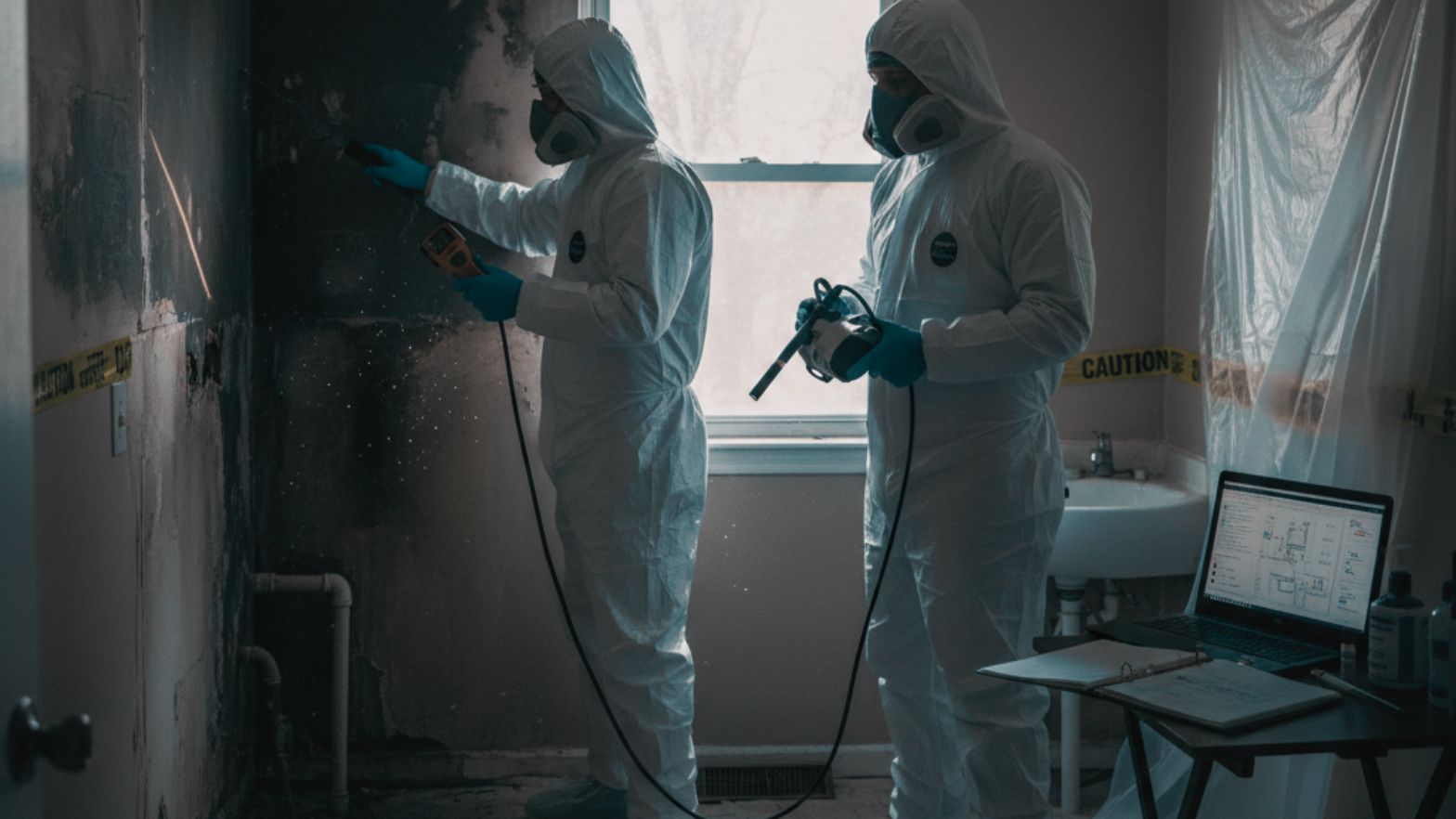
Mold can appear quietly and gradually in any home or office. A small patch on a bathroom wall or a faint musty smell might seem harmless, but mold can hide in places you never expect. Even when it isn’t visible, it can affect indoor air quality and potentially trigger health issues. Handling mold without a professional assessment can lead to incomplete removal or recurring problems. This is where a professional mold inspection comes in. Let’s take a closer look at what happens during a thorough mold assessment and why it’s important.
The Initial Conversation: Gathering Clues
Every professional mold inspection begins with a conversation. The technician wants to understand your concerns and your property’s history. The technician will inquire about any visible mold signs, past water leaks, humidity issues, or potential health problems related to mold exposure. These details are crucial. They help the inspector focus on areas where mold is likely to be hiding.
This stage may feel like a casual chat, but it’s actually a key part of the investigation. The questions help create a roadmap for the assessment, ensuring that no potential problem areas are overlooked.
Visual Inspection: Examining Every Corner
After the initial discussion, the inspector conducts a detailed visual inspection. This goes far beyond simply walking through the home. Every wall, floor, ceiling, and hidden space is checked. Attics, basements, crawl spaces, behind cabinets, and under sinks are common areas for mold growth.
Inspectors are trained to spot subtle signs of mold. This can include discoloration, peeling paint, warped wood, or water stains. Even areas that appear dry on the surface might have hidden mold underneath. The visual inspection lays the foundation for the next steps in the process.
Moisture Detection: Finding the Source
Mold cannot grow without moisture. Professionals use a combination of tools to locate moisture sources. Moisture meters measure the water content of building materials. Thermal imaging cameras reveal temperature differences that indicate hidden water or damp areas. Hygrometers measure humidity levels, which can help identify problem areas prone to mold growth.
Identifying the source of moisture is just as important as identifying the mold itself. Without addressing the underlying cause, any mold removal efforts could be temporary. This is why a professional assessment often includes a detailed plan for resolving water issues.
Air Sampling: Looking at the Invisible
Some mold is invisible, and some spores are not on surfaces. To detect airborne mold, inspectors often take air samples. These samples are analyzed to identify the types and concentration of mold spores present in your home. This step helps determine whether indoor air quality is being affected, even in areas where no visible mold exists.
Air sampling is particularly valuable for people with allergies or respiratory sensitivities. It provides concrete data that can guide remediation strategies, ensuring the indoor environment is safe.
Surface Sampling: Confirming Suspicion
In addition to air testing, inspectors may collect surface samples from walls, floors, or other materials. These samples are analyzed in a laboratory to confirm the presence and type of mold. Different mold types can pose different levels of risk, and knowing what you’re dealing with allows for more targeted treatment.
Surface sampling also helps verify whether previous attempts at mold removal were successful. It ensures that hidden mold is not overlooked, reducing the risk of recurrence.
Detailed Report: Understanding the Findings
Once testing and sampling are complete, the inspector compiles a detailed report. This report summarizes all findings, including the types of mold detected, areas affected, moisture sources, and potential health risks. It may also include recommendations for remediation and prevention.
The report is more than a list of problems. It’s a roadmap for making your home safe again. It helps you understand the scope of the issue, and it provides guidance on what steps to take next.
Why Does Professional Assessment Matter?
Many people try to clean mold themselves, but without a professional assessment, there’s a high chance of missing hidden growth or underlying water problems. A professional assessment ensures that all mold, visible or hidden, is properly identified and addressed. It also prevents recurring issues, saving time and money in the long run.
Professional assessments are not just about removing mold. They are about understanding your home’s unique conditions, identifying risks, and protecting your health and property.
To Sum Up
A professional mold assessment goes far beyond a simple look around your home. It combines careful observation, advanced tools, and scientific testing to provide a clear picture of mold issues. From initial questions to detailed reporting, every step is designed to identify hidden problems and provide a solution.
If you suspect mold in your home or office, taking action early is essential. A thorough assessment gives you the information you need to tackle the problem effectively. At Apex Mold Specialists, we provide expert mold inspection and testing services in Manhattan, helping homeowners protect their spaces and breathe easier. Schedule your professional assessment today and take the first step toward a healthier, mold-free environment.


Comments are closed.